Your Guide to Preventing Ice Dams and Winter Roof Damage in Connecticut
A classic Connecticut winter brings its own kind of beauty—snow-covered trees, cozy nights, and the crisp air of a new season. But for homeowners, it also brings a unique set of challenges, especially for the roof over your head. One of the most destructive winter culprits is the ice dam. These thick ridges of ice at the edge of your roof can cause serious water damage to your home's interior and exterior. At Lucky Dog Roofing, we've seen firsthand the problems they can create for families in the Hartford area. This guide will walk you through what causes ice dams, how to spot them, and most importantly, how to prevent them from forming in the first place.
What is an Ice Dam, and Why is it a Problem?
An ice dam is more than just a row of impressive icicles. It’s a sign of an underlying issue with heat loss in your home. The process is a frustrating cycle:
- Heat Escapes: Warm air from your living space rises into your attic, heating the underside of your roof deck.
- Snow Melts: This warmth causes the snow on the upper parts of your roof to melt, even when the outside temperature is below freezing.
- Water Refreezes: The meltwater runs down the roof until it reaches the cold eaves and gutters, where it refreezes into a mound of ice.
- A Dam is Formed: As this process repeats, the ice builds up, creating a dam that blocks water from draining off the roof.
Here’s where the real trouble begins. The water pooling behind the ice dam has nowhere to go but up and under your shingles. From there, it can seep into your roof decking, insulation, and eventually leak into your attic and down your interior walls. This can lead to rotted wood, saturated insulation, stained ceilings, and even mold growth—all of which are costly and stressful problems that no homeowner wants to face. Understanding this cycle is the first step toward protecting your home.
Key Warning Signs of Winter Roof Distress
Being proactive is crucial. Catching the signs of a potential problem early can save you from significant damage down the road. Keep an eye out for these telltale signs during the winter months:
- A Barricade of Icicles: While a few icicles are normal, a thick, solid wall of them along your gutters or the edge of your roof is a major red flag. This indicates that water is freezing at the eaves instead of draining properly.
- Visible Ice on Siding: If you see sheets of ice forming over your siding below the roofline, it’s a clear sign that water is spilling over the gutters where it shouldn't be.
- Water Stains Indoors: Check the ceilings and walls on your top floor, especially near exterior walls. Any discoloration, staining, or peeling paint could be evidence of a leak caused by an ice dam.
- Dampness in the Attic: If it's safe to do so, take a look in your attic after a heavy snow. Look for wet spots on the underside of the roof decking or damp, compressed insulation. These are direct signs that water is getting through.
How to Prevent Ice Dams Before They Start
The best way to deal with ice dams is to stop them from ever forming. The goal is to keep your entire roof surface as cold as the eaves. Here are the most effective long-term solutions that address the root cause of the problem.
1. Beef Up Your Attic Insulation Proper insulation on your attic floor is your number one defense. It acts as a thermal barrier, preventing warm air from your home from reaching the underside of your roof. This keeps the roof deck cold and stops the snow from melting prematurely. According to energy efficiency trends, upgrading your insulation not only prevents ice dams but can also lower your heating bills.
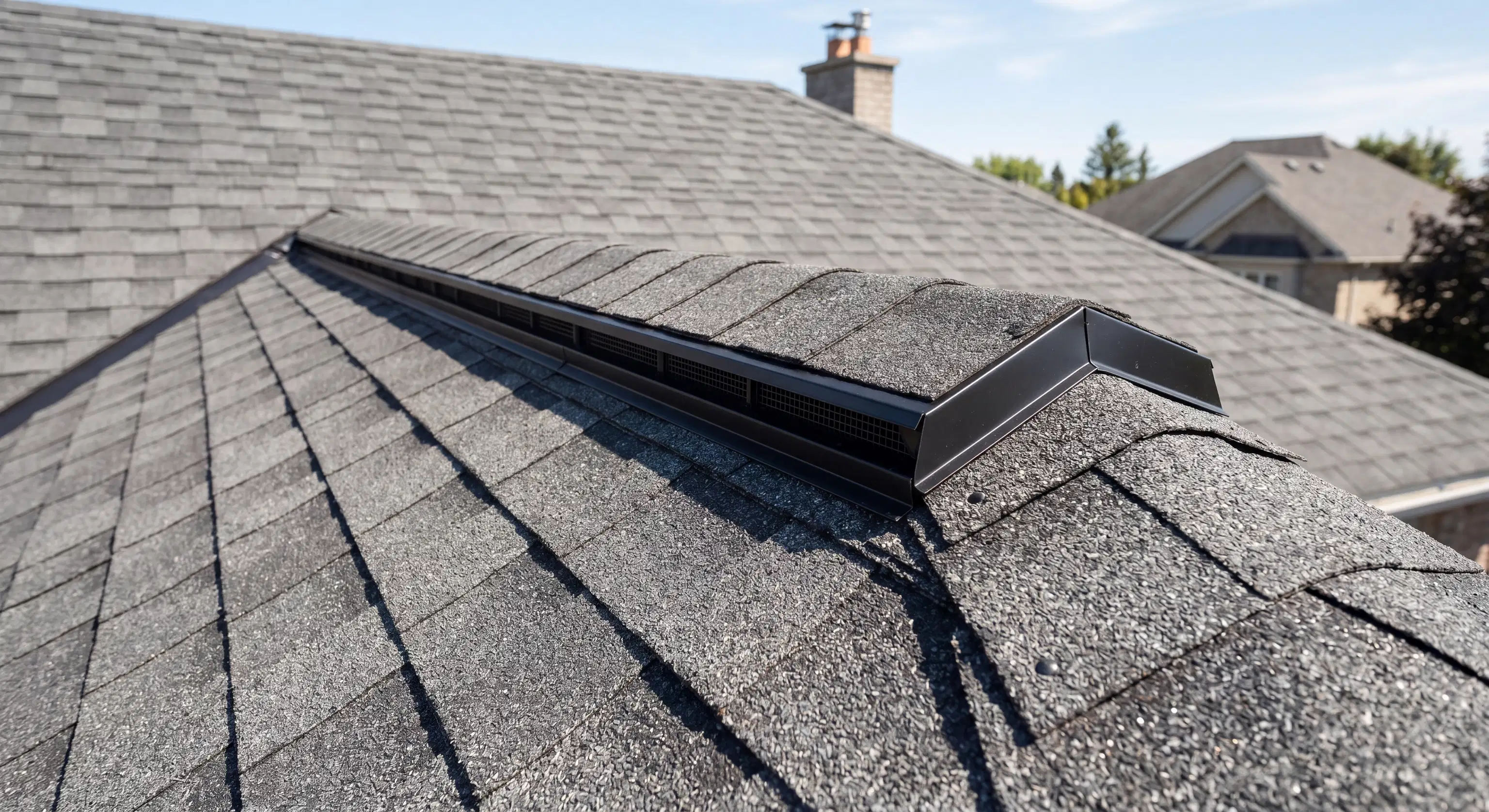
2. Ensure Proper Attic Ventilation A well-ventilated attic allows cold outdoor air to circulate, maintaining a consistent temperature across the entire roof surface. A balanced system of soffit vents (at the lower edge of the roof) and ridge vents (at the peak) is ideal for creating this continuous airflow.
3. Seal Air Leaks Small gaps around light fixtures, plumbing vents, chimneys, and attic hatches can be major sources of heat loss. Sealing these leaks with caulk or spray foam is a critical step in keeping your warm air where it belongs—inside your living space.
4. Keep Your Gutters Clean Your gutters are essential for directing water away from your home. If they are clogged with leaves and debris, water can't drain, providing the perfect place for ice to start forming. A thorough cleaning in the fall is a must. If your gutters are old or damaged, considering a new gutter installation can significantly improve drainage and winter performance.
I Have an Ice Dam—Now What?
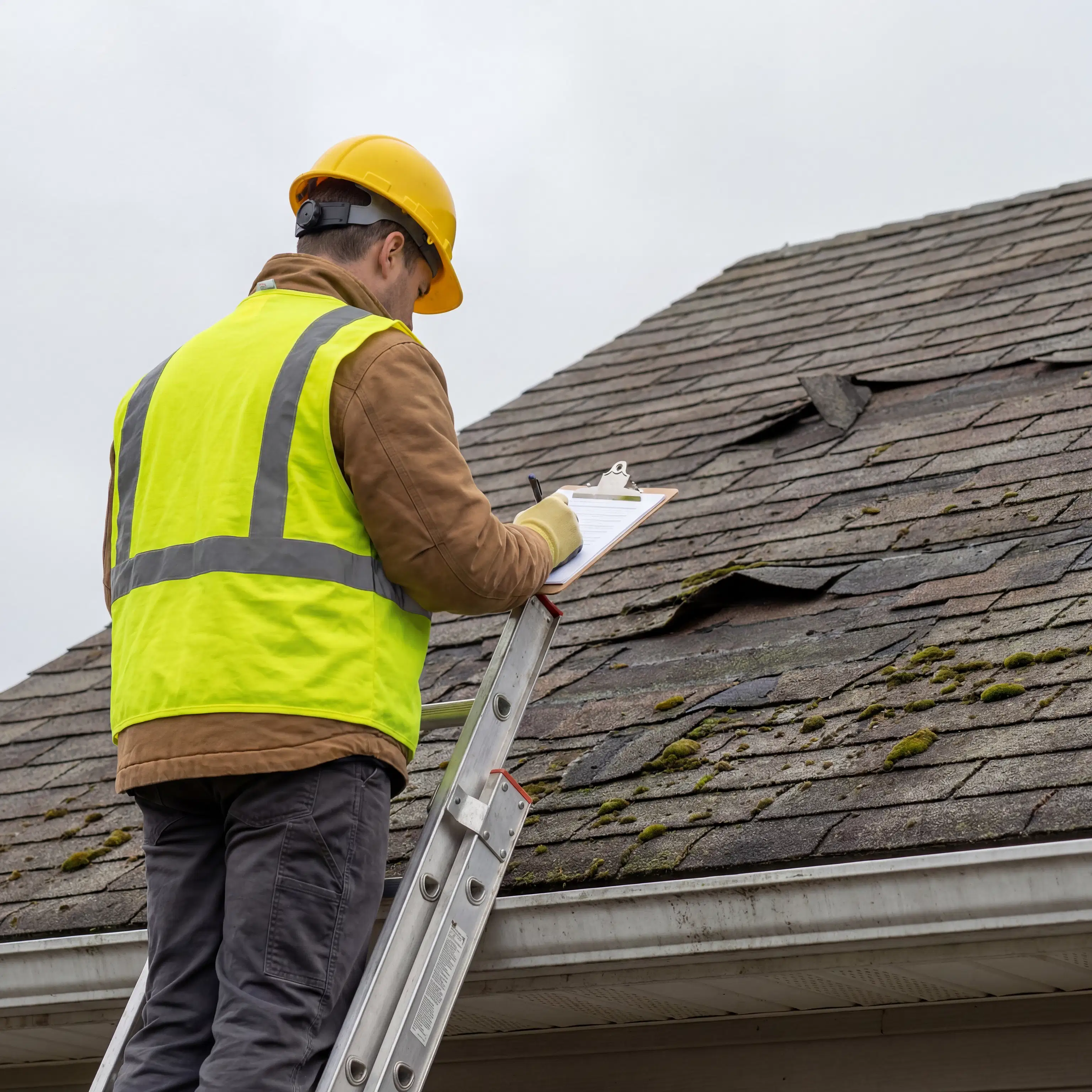
If you already have a significant ice dam, it's important to act carefully. Trying to chip or break it away with force can easily damage your shingles and gutters, leading to an even more expensive problem. Applying rock salt or chemical de-icers can also damage your roof, siding, and landscaping.
The safest and most effective way to remove an ice dam is to call a professional. We use specialized equipment like low-pressure steamers to safely melt channels through the ice, allowing the trapped water to drain away without causing any harm to your roof.
Once the immediate threat is gone, we can perform a thorough inspection to assess any damage. This might involve a simple roofing repair to fix a few loose shingles or, in cases of extensive damage, a discussion about a full roofing replacement to ensure your home is protected for decades to come.
Protect Your Home This Winter with Lucky Dog Roofing
A Connecticut winter, with its potential for a powerful Nor'easter, is no time to be worrying about your roof. By ensuring your home has proper insulation, ventilation, and clean gutters, you can prevent ice dams and protect your most valuable asset. A well-maintained roof provides peace of mind, knowing your family is safe and warm inside, no matter the weather.
Don't wait for a leak to reveal a problem. If you're concerned about your roof's readiness for winter or see the warning signs of ice dams, contact the trusted local experts at Lucky Dog Roofing. We provide comprehensive inspections, repairs, and replacement services across the Hartford area. Contact us today to schedule your free, no-obligation estimate and keep your home safe all season long.