Roofing Solutions for Historic Triple-Decker Properties
Owning a historic multi-family home in the Capitol Region is a unique privilege. These iconic properties, especially the classic triple-decker, offer incredible architectural character and provide reliable rental income for property investors. However, maintaining these aging structures comes with a highly specific set of challenges, particularly when it comes to the roof. Unlike standard single-family suburban homes, these multi-story buildings often feature flat or low-slope roofs that require specialized knowledge to protect against our unpredictable New England weather.
Whether you are dealing with an aging, leaky system or proactively preparing your property for the next severe weather season, understanding your options is the first step to protecting your investment and keeping your tenants safe. Landlords and property managers must balance the need for durable, long-lasting materials with the reality of budget constraints and the desire to minimize disruption to the families living below. Navigating these priorities requires a clear understanding of modern roofing technology, local building codes, and proactive maintenance strategies.
Choosing the Right Materials for Flat and Low-Slope Roofs
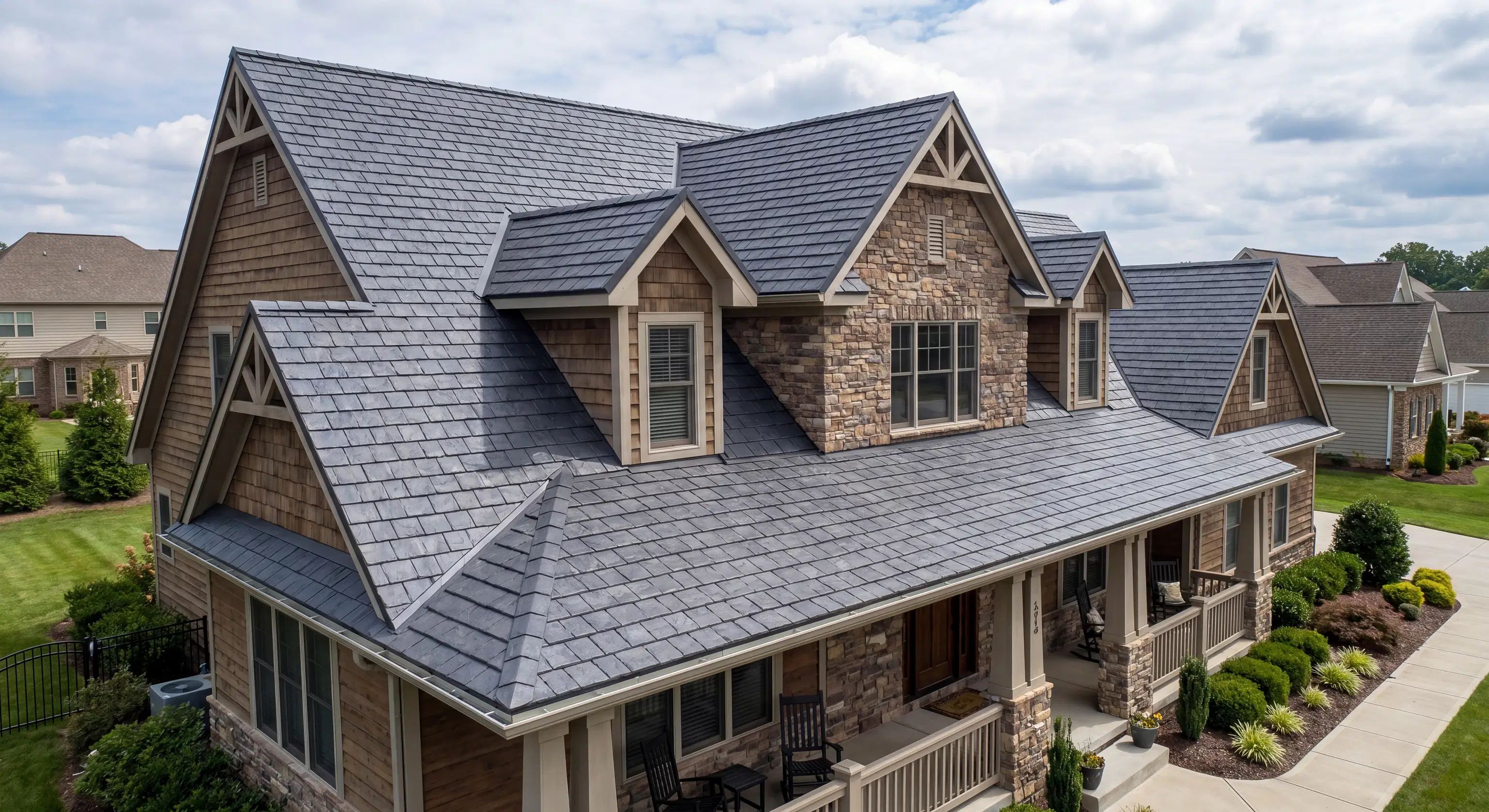
When it comes to flat roof replacement for multi-family homes, the materials you choose dictate how well the building will withstand heavy snow loads, ice accumulation, and torrential rain. Two of the most common and effective options for these structures are EPDM (rubber roofing) and TPO (thermoplastic polyolefin).
Many property owners ask us about the differences between EPDM vs TPO for triple-decker roofs. EPDM has a decades-long track record of durability and flexibility. It is highly resistant to the extreme temperature fluctuations we experience, expanding and contracting safely during a harsh winter freeze or a sudden Spring Thaw. TPO, on the other hand, features heat-welded seams and a reflective white surface. This reflective quality can significantly improve a building's energy efficiency by keeping the upper-floor units cooler during humid summers, which is a major selling point for tenants.
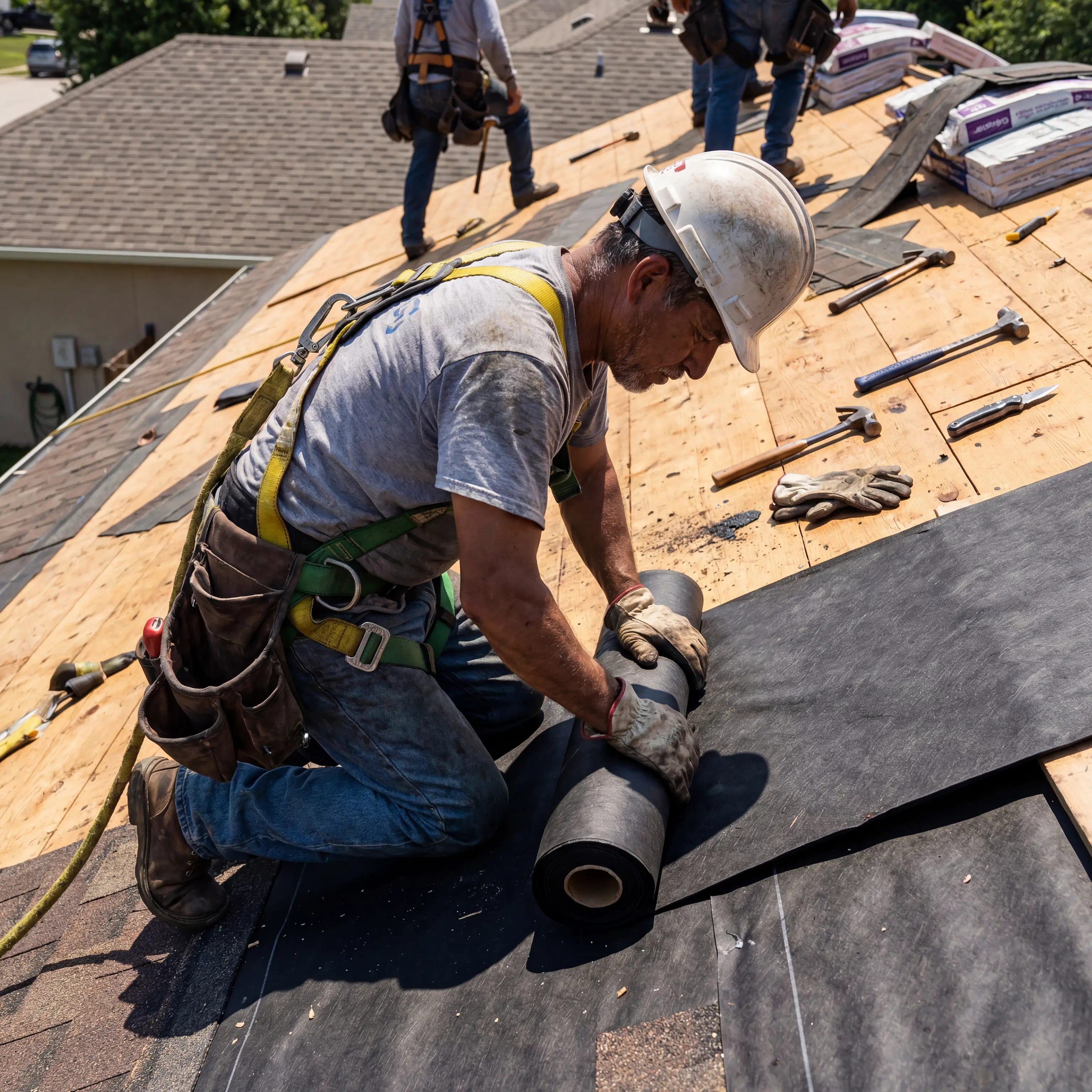
Because these buildings house multiple families, a complete roofing replacement requires careful logistical planning. Property owners often wonder if they can simply overlay new materials over the old roof to save time and money. However, strict state building codes generally require a complete tear-off if there are already multiple layers or if the underlying decking is compromised. A full tear-off ensures that the structural integrity of the roof deck is sound and capable of supporting the new membrane for decades to come. Furthermore, working with a fully licensed and insured contractor ensures that all necessary local building permits are pulled and that the project adheres to rigid safety and compliance standards.
Cost-Effective Flat Roof Repair Strategies
Maintaining historic multi-family roofing systems doesn't always mean a full replacement is immediately necessary. Proactive maintenance and timely interventions can significantly extend the life of your current roof, helping you manage cash flow and avoid unexpected capital expenditures.
One of the most critical issues to watch for during the winter months is the formation of Ice Dams. These occur when heat escapes from the top-floor ceiling due to poor insulation, melting the snow on the roof. The water runs down to the colder edges and refreezes, creating a dam. This trapped water can easily seep under roofing membranes and flashing, causing extensive interior water damage to the top-floor units.
Implementing cost-effective flat roof repair strategies involves regular, professional inspections, especially after a severe Nor'easter. Identifying and patching minor punctures, reinforcing aging seams, and ensuring that the flashing around chimneys, vents, and skylights is completely secure can prevent catastrophic leaks. Today, modern contractors utilize drone technology to perform rapid, highly accurate aerial inspections. This allows for detailed assessments of three-story buildings without the immediate need for ladders, providing property owners with clear photographic evidence of any damage. If you notice water pooling on the roof surface or interior ceiling stains in your upper units, scheduling professional roofing repairs promptly is essential to mitigate further damage.
The Critical Role of Proper Drainage
A flat roof is only as effective as its drainage system. Because triple-deckers have a large footprint and a flat surface, water accumulation is a major concern. Without a proper slope and an efficient way to channel water off the roof, pooling water will eventually break down even the most durable roofing materials, leading to premature failure and voided warranties.
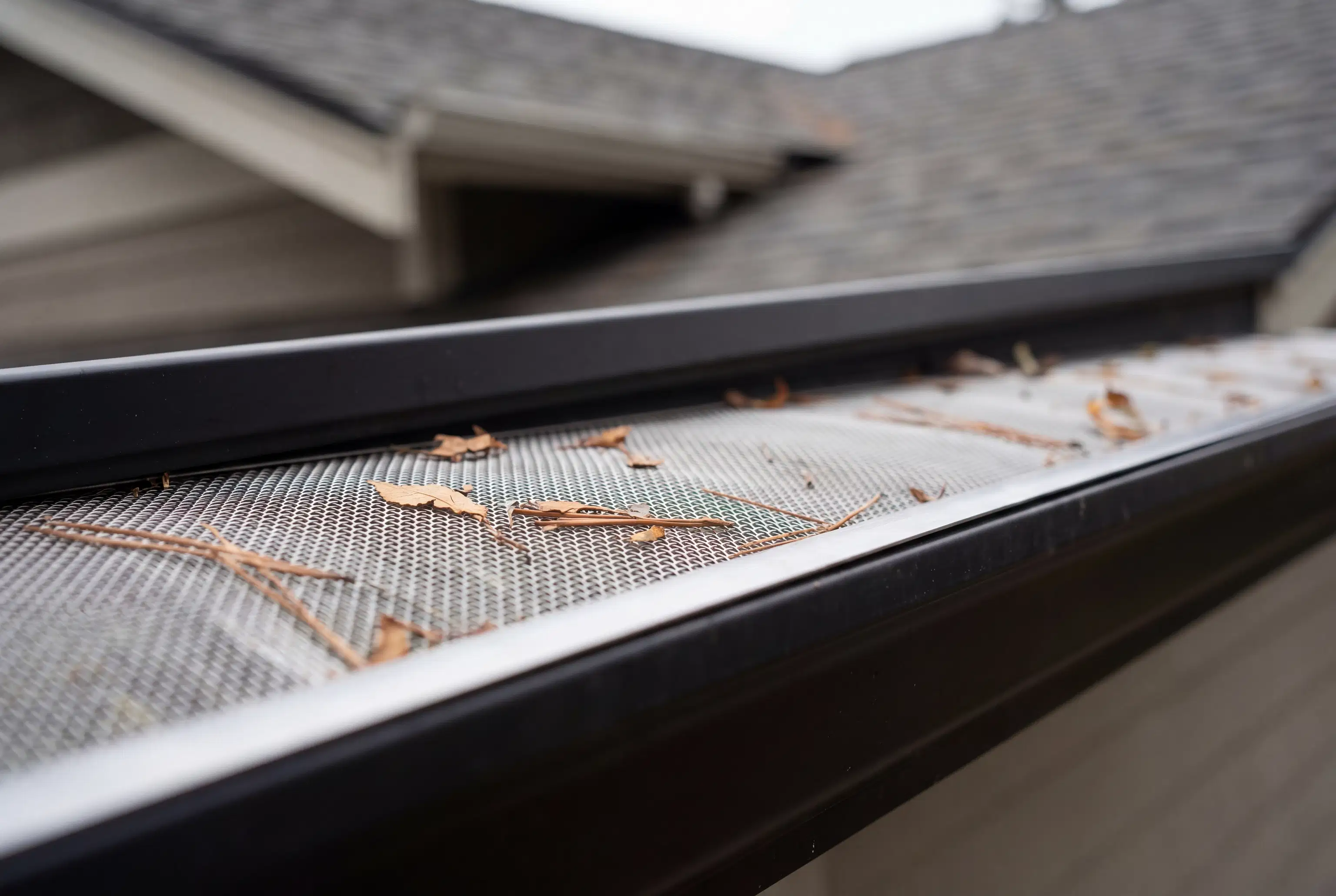
This is where a robust, high-capacity gutter system becomes indispensable. Standard residential gutters are often insufficient for the volume of water that sheds from a large multi-family roof during a heavy storm. Commercial-grade gutters and strategically placed downspouts ensure that heavy rainfall and melting snow are directed safely away from the building. Upgrading your drainage through professional gutter installation is one of the smartest investments you can make to complement your roofing system. It prevents water from backing up onto the roof membrane and protects the historic facade, siding, and foundation of your property from severe water damage.
Partnering with Local Experts
Managing a multi-family property requires a team of reliable contractors who understand the specific demands of local architecture and weather. After severe weather events, out-of-state storm chasers often flood the area, but they typically lack the regional expertise and long-term accountability needed to properly service these historic structures. As a proud Nutmegger-owned business, Lucky Dog Roofing understands the intricacies of local building codes, the necessity of proper licensing, and the importance of transparent, detailed estimates.
We know that major property improvements can strain a landlord's cash flow, which is why we offer flexible financing options to help you manage costs without compromising on the quality of materials or workmanship. Whether your property is located in the South End or another historic neighborhood, our team is ready to provide the durable, high-quality solutions your building deserves.
If you are concerned about the condition of your multi-family property's roof, don't wait for a leak to disrupt your tenants and damage your investment. Contact us today to schedule a comprehensive inspection and learn more about our specialized roofing and exterior services.