Is Your Roof Ready for a Nor'easter? A Homeowner's Guide to Storm Protection
Living in Connecticut, we're no strangers to the raw power of a Nor'easter. These powerful storms are a fact of life, bringing high winds and heavy precipitation that can test the limits of any home. Your roof is your property's first and most critical line of defense, and ensuring it's in top condition is essential for protecting your family and your investment. For homeowners across the Hartford area, preparing for storm season isn't just a good idea—it's a necessity for peace of mind.
At Lucky Dog Roofing, we've seen firsthand what a severe storm can do to a vulnerable roof. From subtle leaks that cause long-term damage to catastrophic failures, the consequences can be stressful and costly. This guide will walk you through how storms impact your roof, what you can do to prepare, how to spot damage afterward, and why investing in a resilient roofing system is one of the smartest decisions you can make.
How Storms Target Your Roof
The combination of wind, rain, and sometimes hail or snow during a storm creates a multi-pronged attack on your roofing system. Understanding these threats can help you recognize potential weaknesses.
- High Winds: This is often the most destructive element. Wind doesn't just blow over your roof; it creates uplift pressure that can get underneath shingles, loosening them, bending them back, or tearing them off entirely. Once a few shingles are gone, it creates a chain reaction, exposing the underlayment to direct water intrusion.
- Heavy Rain: A healthy roof is designed to shed water efficiently. However, if you have missing shingles, cracked flashing around chimneys or vents, or clogged gutters, driving rain will find its way in. Water infiltration can damage your attic, insulation, ceilings, and walls, leading to costly repairs and the potential for mold growth.
- Hail and Debris: While less common, hail can severely damage asphalt shingles by knocking off the protective granules, which shortens the roof's lifespan. Flying debris, like tree branches, can cause direct punctures or cracks.
- Ice Dams: In the winter, a classic Connecticut problem is the ice dam. This occurs when heat from your attic melts snow on the roof, which then refreezes at the colder eaves. This ridge of ice blocks proper drainage, forcing water back up under the shingles and into your home. This is a common cause of winter leaks and requires a professional solution.
Before the Storm: Proactive Protection and Maintenance
The best way to handle storm damage is to prevent it from happening in the first place. A proactive approach can save you thousands of dollars and immense stress down the road. Regular maintenance is key to ensuring your roof is ready to withstand whatever the weather throws at it.
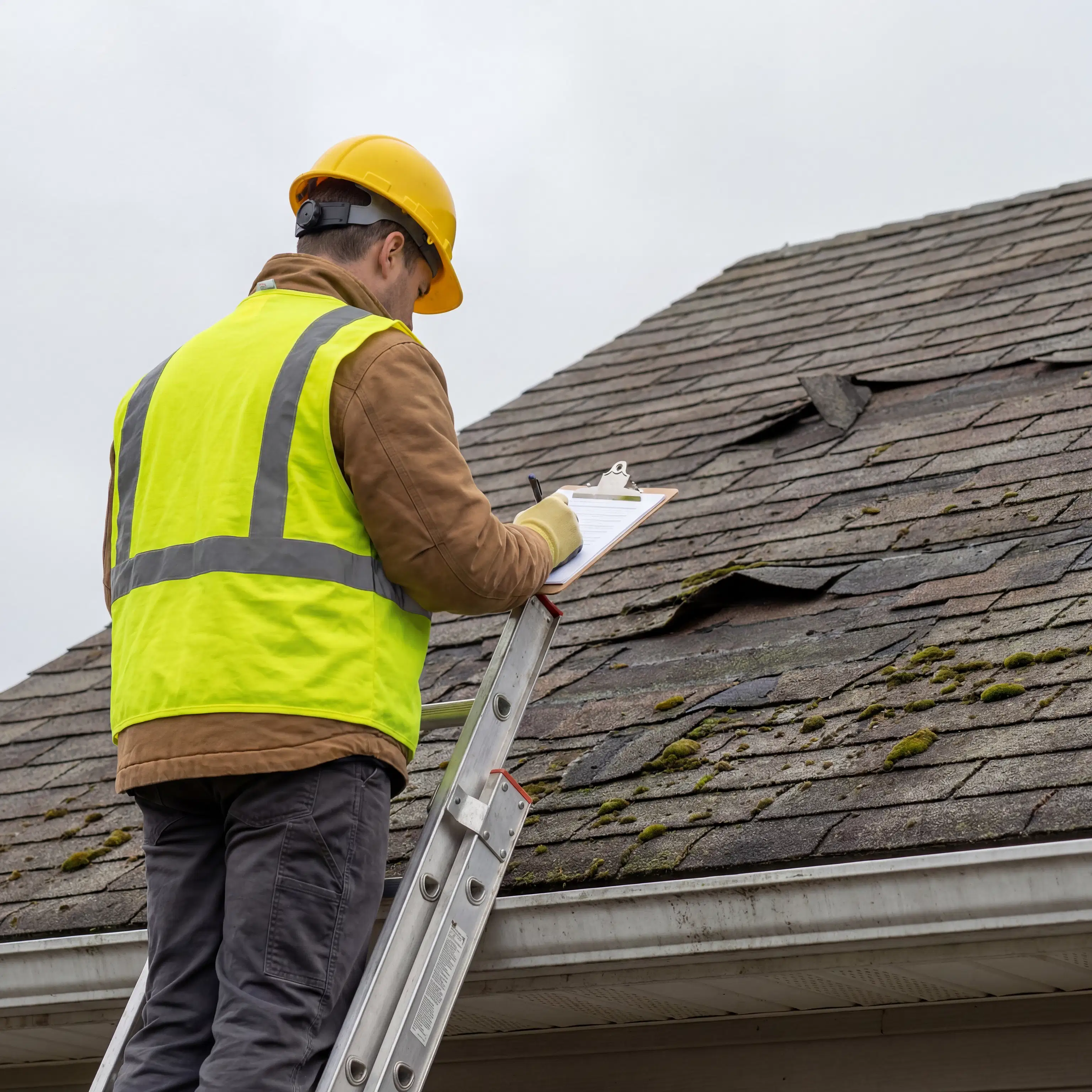
Start with a visual inspection from the ground. Look for any obvious signs of trouble like curled, cracked, or missing shingles. Pay attention to the areas around vents, skylights, and chimneys, as the seals in these spots are common failure points. Also, make sure your gutters are clean and clear of leaves and debris. Clogged gutters are a primary contributor to water backup and the formation of ice dams.
While a ground-level check is a good start, it can't replace a professional assessment. A trained roofer can safely get on your roof to identify subtle issues you might miss, such as granule loss, loose flashing, or failing seals. Addressing these small issues with timely roofing repairs can prevent them from becoming major leaks during the next big storm. Think of it as a small investment in your home's long-term health and security.
After the Storm: Identifying and Addressing Damage
Once a storm has passed, it's crucial to assess your property for any potential damage. Here’s a simple checklist you can follow safely from the ground:
- Walk Around Your Property: Look for any shingles, pieces of flashing, or other roofing materials that may have blown off into your yard.
- Use Binoculars: Scan the entire surface of your roof. Do you see any shingles that are missing, lifted, or have lost their granular coating (they will look like dark patches)?
- Check Gutters and Downspouts: A large accumulation of asphalt granules in your gutters is a sign that your shingles are aging and were likely damaged further by the storm.
- Inspect Vents and Flashing: Look for any signs of denting from hail or debris, or any flashing that appears loose or bent.
- Look Inside: Head up to your attic with a flashlight during the day. Turn off the lights and look for any pinpricks of daylight coming through the roof deck. Also, check for any dark water stains on the wood or wet spots in the insulation.
If you notice any of these signs, it's time to call in a professional. An expert can perform a thorough roof inspection to determine the full extent of the damage and recommend the best course of action, whether it's a simple repair or a full replacement. For comprehensive protection, it's also wise to check your siding, as wind and hail can cause cracks or holes. A secure building envelope involves both a solid roof and intact siding.
Investing in a Storm-Resistant Future
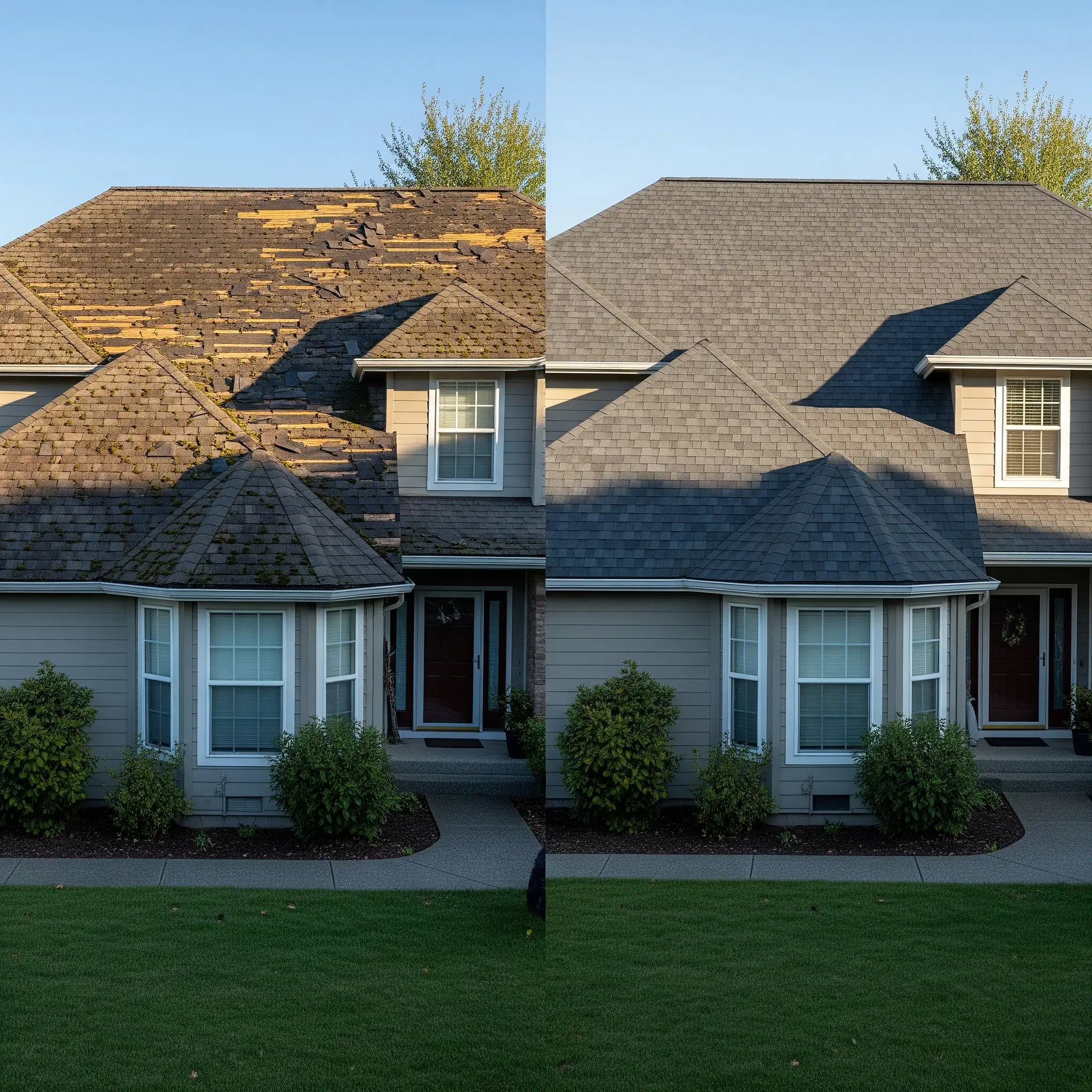
If your roof is nearing the end of its lifespan or has sustained significant damage, a replacement may be the best option. This is an opportunity to upgrade to a modern, storm-resistant system that provides superior protection. Today's architectural shingles are thicker, heavier, and designed with advanced adhesives to withstand higher wind speeds. Investing in a quality roofing installation not only protects your home but also enhances its curb appeal and value.
Your home's exterior siding also plays a vital role in its defense against the elements. Damaged or aging siding can allow wind-driven rain to penetrate your walls. Modern siding options offer enhanced durability and weather resistance, working in tandem with your roof to create a complete protective shield. If you're considering a new roof, it's the perfect time to evaluate your siding and consider a siding repair or replacement to ensure your home is fully fortified.
Don't wait for the next storm warning to think about your roof. Being proactive is the key to keeping your home safe and sound. If you have any concerns about your roof's condition or have recently been through a severe storm in the Hartford area, we're here to help. Contact Lucky Dog Roofing today for a free, no-obligation inspection. We'll provide an honest assessment and help you ensure your home is ready for any weather.